
Coconut milk fat content, explained: choosing 7%–30% for your application
Light, standard, rich or cream — fat content quietly decides mouthfeel, stability and cost in every recipe. A working guide for manufacturers and private label buyers, band by band.
By the CBL Product Team
·
Published 5 Sept 2026, 06:05
·
Updated September 6, 2026
·
6 min read
On this page
- Why fat content matters more than brand
- The four bands, side by side
- Choosing by application
- Beverages and smoothies → 7–10%
- Retail cooking ranges → 14–22%
- Manufacturing and confectionery → 25–30%
- The cost curve nobody explains
- The Global Demand for Coconut Water
- What is IQF and Why It Matters
- Rapid Freezing Rate
- Ultra-Low Temperature Control
- Frequently asked questions
Two coconut milks can share a label and behave like completely different ingredients. The variable is fat — and choosing the wrong band costs you either mouthfeel or margin.
Key takeaways
- Fat content spans 7% to 30% across four working bands — each built for different applications
- Raw material, not processing, drives the price curve: cream uses 3–4× the kernel of light milk
- Custom targets between bands are possible, confirmed by certificate of analysis
Why fat content matters more than brand
In coconut milk, fat is the delivery vehicle for almost everything you're buying: the lauric-acid richness, the mouth-coating texture, the emulsion stability under heat. Move from 10% to 22% and a soup stops splitting, a curry turns silken, a dessert sets. Move the other way and a beverage stays drinkable instead of cloying.
That's why serious buyers specify a band, not a product name — and why our range is standardised across organic aseptic coconut milk and cream rather than a single SKU.
The four bands, side by side
Variant | Fat content | Best for |
Light Coconut Milk | 7% – 10% | Beverages, soups, low-fat cooking |
Standard Coconut Milk | 14% – 17% | Curries, sauces, everyday cooking |
Rich Coconut Milk | 20% – 22% | Premium retail, desserts, baking |
Coconut Cream | 25% – 30% | Confectionery, whipping, culinary cream |
Choosing by application
Beverages and smoothies → 7–10%
Light milk stays pourable when chilled and blends without splitting under agitation. Barista lines often step up to 14–17% for foam stability — worth sampling both before committing to a formulation.
Retail cooking ranges → 14–22%
Standard fat is the workhorse of everyday curry and sauce SKUs; rich fat is what "premium" tastes like on shelf, and increasingly what private label brands specify for their top tier.
Manufacturing and confectionery → 25–30%
Cream whips, sets and survives bake cycles. It's also the band where consistency matters most — insist on certificate-of-analysis fat verification per batch, which is standard on our lines.
Not sure which band fits your recipe?
Send your application — we'll return a recommendation with filled samples of two bands to compare.
The cost curve nobody explains
Higher fat costs more per litre — but not because of processing. Fat content tracks the ratio of coconut kernel to water at extraction: a 30% cream can require three to four times the kernel per litre of a 7% milk. You're pricing raw coconut, so harvest cycles matter — our market outlook pieces track exactly those cycles.
It also means fat verification protects your margin: paying for 22% and receiving 17% is a five-point raw-material discount you never see. Batch-level certificates of analysis — and auditing the line yourself — are how disciplined buyers close that gap.
The Global Demand for Coconut Water
Over the past decade, coconut water has experienced explosive growth in international markets, driven by the rising demand for natural, low-calorie, and functional beverages. Key drivers include:
- Natural Hydration: Rich in electrolytes like potassium, magnesium, and calcium, coconut water replenishes fluids and minerals lost during physical activity or daily routines.
- Low-Calorie, Nutrient-Rich Alternative: Unlike sodas and artificially sweetened drinks, coconut water provides natural sweetness with minimal calories.
- Functional Beverage Trend: Consumers are increasingly choosing beverages with tangible health benefits, and coconut water is widely recognized as a natural functional drink.
- Plant-Based & Sustainable Choices: Rising awareness around environmental sustainability encourages consumers to opt for responsibly sourced, plant-based products.
These trends position coconut water as a key player in health-oriented, sports, and wellness-focused markets worldwide.
What is IQF and Why It Matters
Individual Quick Freezing (IQF) is a modern freezing method that freezes each fruit piece separately at ultra-low temperatures. Unlike traditional freezing, IQF ensures fruits do not stick together, retaining their shape, texture, and natural appearance.
Rapid Freezing Rate
- IQF freezes fruit extremely quickly, reducing the time water inside cells has to form ice crystals.
- Smaller ice crystals minimize cell rupture, preserving firmness and texture after thawing.
Ultra-Low Temperature Control
- Freezing at temperatures below -35°C ensures enzymatic activity is halted almost immediately.
- This prevents degradation of vitamins, antioxidants, and natural pigments, retaining nutritional value and color.
- Many IQF systems use cold air tunnels
Frequently asked questions
The CBL Product Team
Product development & export · Minuwangoda, Sri Lanka
Written by the team that standardises fat bands on our BRC AA++ lines and answers buyer spec questions daily. Fact-checked against current production specifications, July 2026.
Turn this article
into a spec sheet.
- Band recommendation for your exact application
- Filled samples of two fat bands to compare
- Reply from a product specialist within two business days
FROM THIS ARTICLE
Related Products
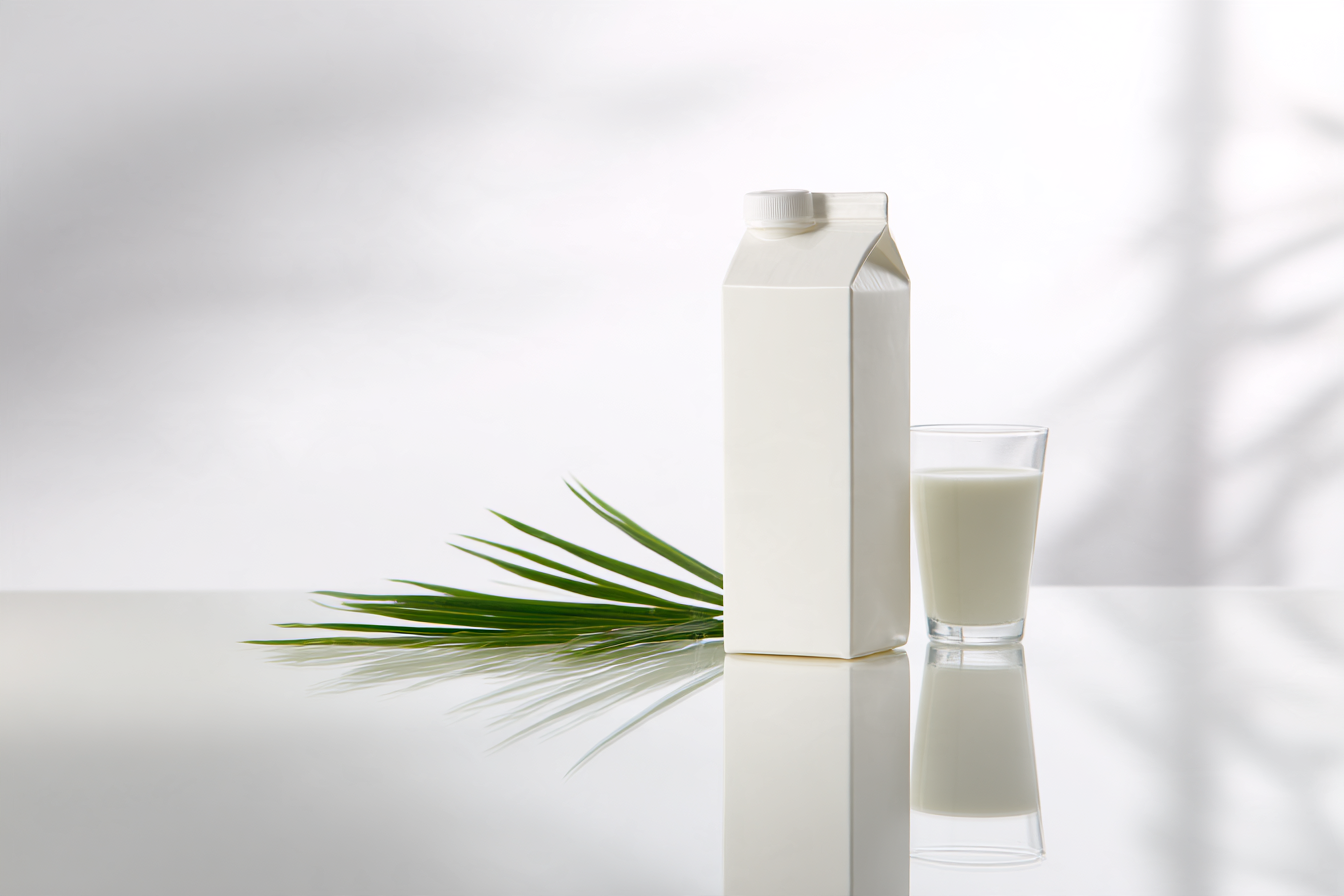
Canned Coconut Milk/Cream
Crafted meticulously and encased in convenient cans, our coconut milk/cream offers a world of culinary possibilities. Derived from 100% natural coconut extract, it retains the genuine coconut flavour that defines authenticity. Elevate your culinary creations, from sumptuous curries to velvety desserts and creamy beverages, with its rich texture and versatile charm. Achieve your desired consistency effortlessly by adjusting water content. The convenience of the can ensures easy storage and usage, reflecting our dedication to preserving genuine coconut taste. Handling customer complaints requires good adaptability.
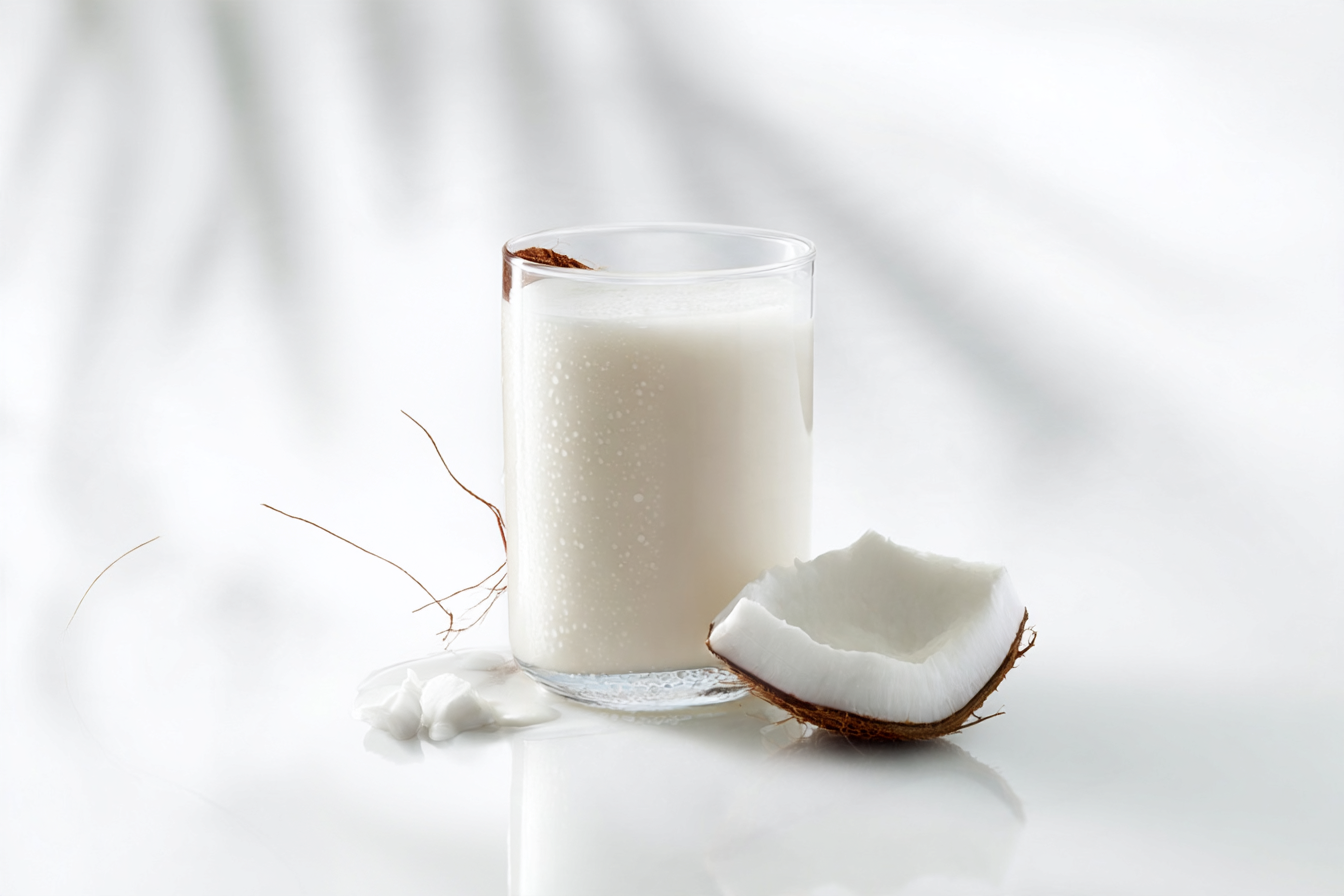
Lasia Stalk
Lasia Stalk, a plant-based revelation for red meat enthusiasts. With its hearty texture and rich flavour, it stands as a compassionate alternative to traditional red meats. Harvested sustainably, it is a versatile ingredient ideal for crafting vegan versions of your beloved meaty dishes. Whether it is sliced and sautéed for stir-fries or slow-cooked for stews, Lasia Stalk offers a meaty experience without the need for animal products.
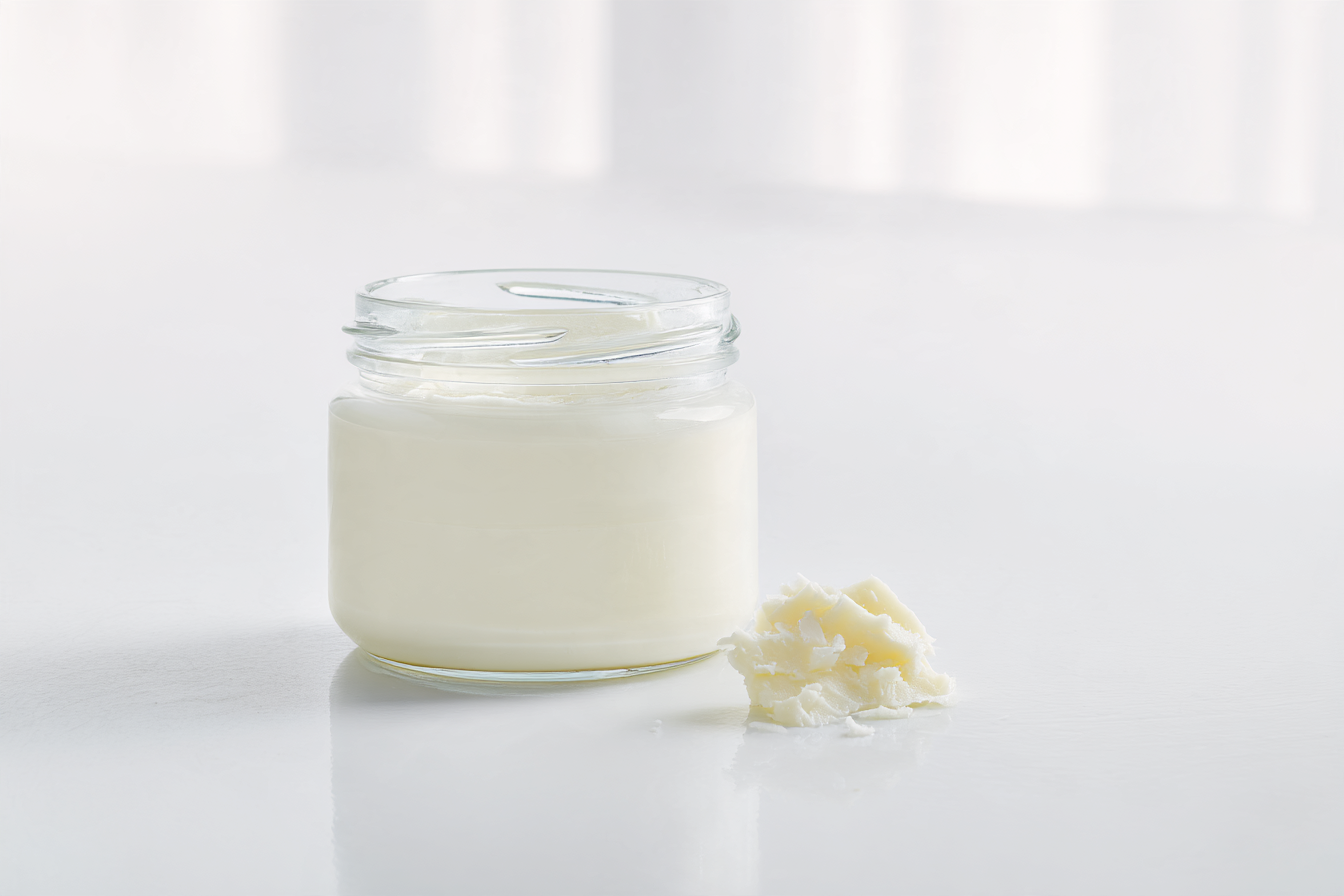
Coconut Whipping Cream
Discover a new realm of culinary decadence with CBL’s Coconut Whipping Cream. Indulge in the velvety smoothness and delicate sweetness that our creams bring to both traditional favourites and innovative creations. Crafted from the finest coconuts, our whipping creams offer a luscious dairy-free alternative, perfect for topping desserts, beverages, and more. Experience the richness of coconut in a whole new way, and let your taste buds embark on a journey of pure delight.